Contents
Is it true that effective water extraction can greatly mitigate damage and prevent mold growth? Understanding the correct process is fundamental to ensure that you address the issue thoroughly. Each step, from evaluating the damage to final inspections, plays an important role in achieving ideal results. By following a systematic approach, you can tackle water-related problems more efficiently. But what are the essential steps you need to take to ensure a successful extraction?
Key Takeaways
- Assess the source of water (surface, groundwater, or rainwater) to determine the appropriate extraction technique.
- Evaluate the extent of water damage and prepare necessary equipment, such as pumps and vacuums, for effective removal.
- Wear appropriate safety gear and identify any electrical hazards before beginning the extraction process.
- Use dehumidifiers and fans to promote air circulation and moisture removal after initial water extraction.
- Conduct a final inspection to ensure all moisture is removed and implement preventive measures for future water incidents.
Understanding Water Extraction
Understanding water extraction is important for various industries, as it directly impacts resource management and sustainability. You need to recognize different water sources, such as surface water, groundwater, and rainwater, which play a significant role in meeting societal needs. Each source requires specific extraction techniques tailored to its characteristics.
For instance, groundwater may necessitate drilling wells, while surface water could involve pumping from rivers or lakes. When you explore these techniques, consider factors like efficiency, environmental impact, and regulatory compliance.
Employing advanced methods like reverse osmosis or filtration can enhance water quality, ensuring that the extracted resource meets safety standards. Additionally, understanding the balance between extraction and conservation is essential; over-extraction can lead to depletion and ecological damage.
Assessing the Water Damage
Evaluating water damage requires a systematic approach to identify the extent and impact on structures and materials. Start with a thorough damage assessment, examining affected areas for visible signs such as discoloration, warping, or mold growth.
Document these findings meticulously, as they provide essential information for remediation efforts.
Next, conduct a moisture evaluation using moisture meters to measure levels in walls, floors, and furniture. This quantitative data helps determine the severity and potential for hidden damage.
Pay close attention to areas that may not be immediately visible, such as behind drywall or under flooring.
Gathering Necessary Equipment
Gathering the right equipment is essential for effective water extraction and remediation. Start by identifying the specific water extraction techniques you’ll employ, as this will dictate your equipment needs. Common tools include submersible pumps, wet vacuums, and dehumidifiers. Each piece of equipment plays a significant role in removing moisture quickly and efficiently.
Don’t overlook the importance of equipment maintenance. Before you begin, check that all tools are in good working order; inspect hoses, filters, and power cords for damage. Clean and test your equipment to ensure peak performance during the extraction process.
Having the correct gear streamlines your efforts and enhances safety and efficiency.
Ensuring Safety Precautions
Before starting the water extraction process, it’s crucial to prioritize safety precautions. First, verify you’re wearing appropriate safety gear, including gloves, boots, and masks. This protects you from contamination and potential hazards in the water.
Next, familiarize yourself with the area, identifying any electrical outlets or equipment that could pose a risk.
Have your emergency contacts readily available. This includes local emergency services and any relevant professionals who can assist if situations escalate.
Additionally, create a plan for evacuating the area if necessary. Inform everyone involved about the safety measures and communicate clearly throughout the process.
Removing Standing Water
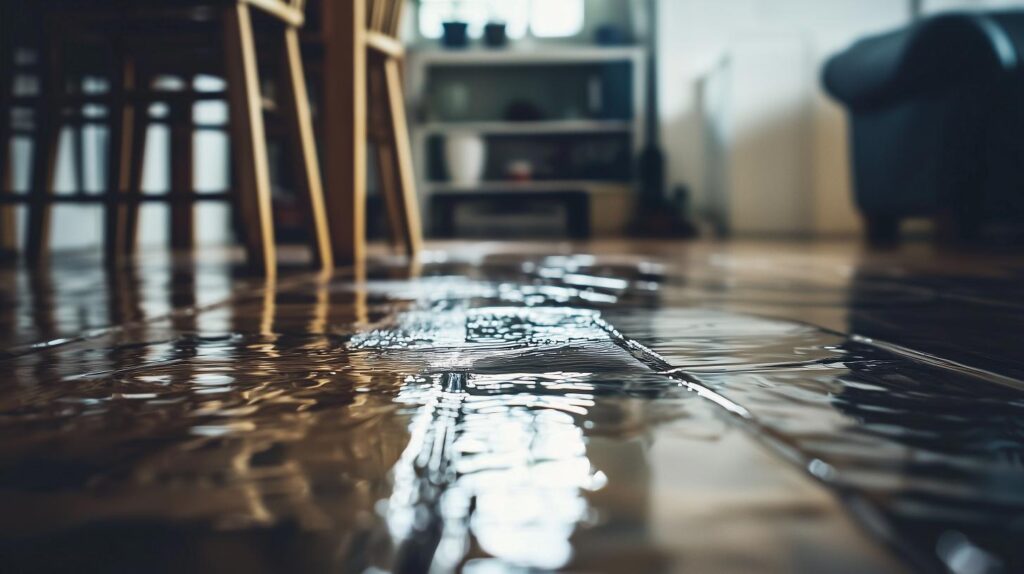
As you begin the process of removing standing water, it’s vital to assess the volume and source of the water to determine the best approach.
Standing water removal is essential for effective flood damage restoration, as it prevents further damage and minimizes health risks.
Consider these key steps:
Identify the source: Understanding where the water is coming from helps you address the problem effectively.
Use appropriate equipment: Depending on the volume, you may need pumps, wet vacuums, or specialized tools.
Monitor for hazards: Always check for electrical risks and structural damage before proceeding.
Once you gather your resources and assess the situation, implement your chosen method for extraction.
Quick and efficient standing water removal aids in restoring your space and helps prevent mold growth and other complications, fostering a safer environment for you and your loved ones.
Extracting Water From Carpets and Upholstery
When you encounter water damage in carpets and upholstery, your first step is to assess the extent of the damage to determine the appropriate course of action.
Utilizing specialized extraction equipment allows you to efficiently remove moisture from these materials.
Finally, drying and sanitizing the surfaces is essential to prevent mold growth and ensure a thorough restoration.
Assessing Water Damage
Evaluating water damage in carpets and upholstery requires a systematic approach to ensure effective extraction and restoration.
Start by performing water source identification to determine the origin of the moisture. This is essential for understanding the extent of the damage.
Next, you’ll want to apply damage assessment criteria to evaluate the affected materials.
Consider these three factors:
- Material type: Different fabrics respond differently to water exposure.
- Duration of exposure: Longer exposure increases the risk of mold growth.
- Severity of damage: Assess whether the carpet or upholstery can be salvaged or needs replacement.
Using Extraction Equipment
To effectively extract water from carpets and upholstery, you need specialized equipment designed for maximum efficiency. Start by selecting extraction equipment that incorporates advanced extraction techniques, such as high-suction vacuums and powerful water extraction machines. These tools help you remove moisture quickly, minimizing the risk of mold growth and structural damage.
Regular equipment maintenance is essential; verify filters are clean and hoses are free from blockages to optimize performance. Before use, check for any leaks or malfunctions.
During the extraction process, maintain consistent pressure and overlap your strokes to ensure thorough moisture removal. By using the right equipment and adhering to proper maintenance protocols, you’ll enhance your results and foster a sense of community among fellow water damage restoration professionals.
Drying and Sanitizing Surface
After extracting water from carpets and upholstery, drying and sanitizing the surfaces is essential to prevent mold and bacteria growth.
Implementing effective surface treatment and utilizing the correct drying techniques will ensure a thorough job. Here’s how you can achieve ideal results:
- Use high-velocity fans to promote air circulation.
- Apply dehumidifiers to remove excess moisture from the air.
- Utilize antimicrobial solutions to sanitize and protect surfaces.
Drying and Dehumidifying Affected Areas
After extracting water from carpets and upholstery, prioritizing drying and dehumidifying affected areas is essential to prevent mold growth and structural damage.
Selecting the right dehumidifier and ensuring proper air circulation can greatly enhance the drying process.
Understanding these factors will help you achieve ideal results in water damage restoration.
Importance of Drying
As moisture lingers in affected areas, the importance of drying and dehumidifying can’t be overstated.
Effective moisture control is essential in preventing further damage to structures and health hazards. Utilizing proper drying techniques ensures that you eliminate excess moisture swiftly and efficiently.
Protects structural integrity: Prevents mold growth and decay in building materials.
Enhances air quality: Reduces allergens and irritants that can impact your health.
Saves costs: Minimizes the need for extensive repairs and replacements.
Dehumidifier Selection Tips
Selecting the right dehumidifier is essential once you’ve addressed moisture levels in affected areas.
Start by considering the various dehumidifier types available, such as refrigerant and desiccant models. Refrigerant dehumidifiers work best in warmer, humid environments, while desiccant units excel in cooler conditions.
Next, evaluate dehumidifier capacity. Choose a unit that can handle the specific volume of moisture in your space, expressed in pints per day. For smaller areas, a dehumidifier with a lower capacity may suffice, but for larger, more severely affected zones, opt for a higher capacity model.
Finally, verify the dehumidifier features, adjustable settings, and a built-in hygrometer for ideal control over humidity levels, enhancing the drying process effectively.
Proper Air Circulation
Effective air circulation is essential for drying and dehumidifying affected areas, markedly speeding up the moisture removal process.
By implementing proper airflow techniques, you enhance the efficiency of your drying efforts and minimize potential damage.
Utilizing effective ventilation systems can create a conducive environment for moisture evaporation.
Here’s how to optimize air circulation:
- Position fans strategically to direct airflow across wet surfaces.
- Use dehumidifiers in tandem with ventilation systems for maximum moisture extraction.
- Ensure windows and doors are open when weather permits to facilitate fresh air exchange.
Disinfecting and Sanitizing
When you’re dealing with water extraction, disinfecting and sanitizing are essential steps that ensure the removal of harmful pathogens and contaminants.
First, assess the area for visible debris or biohazard materials and remove them using appropriate sanitation techniques.
Next, select your disinfectant options carefully; EPA-approved products are often best for ensuring effectiveness against a wide range of microorganisms.
Mix the disinfectant according to the manufacturer’s instructions, applying it generously to all affected surfaces.
Allow the solution to sit for the recommended dwell time to maximize its efficacy.
Afterward, rinse surfaces with clean water to eliminate any residue and prevent potential chemical reactions.
Finally, use a clean cloth or mop to dry the area, reducing moisture that could encourage future contamination.
Preventing Future Water Damage
To prevent future water damage, you need to implement regular maintenance checks to identify potential issues early.
Installing proper drainage systems will help manage water flow effectively and minimize risks.
Additionally, developing emergency preparedness plans ensures you’re ready to respond promptly to any unexpected water incidents.
Regular Maintenance Checks
Regular maintenance checks are essential for preventing future water damage, as they allow you to identify and address potential issues before they escalate. By adhering to maintenance schedules, you ensure that your property remains in prime condition.
Regular inspections can help you catch leaks, assess the integrity of pipes, and evaluate the overall condition of your water systems.
- Conduct inspections of plumbing fixtures quarterly.
- Review water drainage systems biannually.
- Keep an updated maintenance log for all repairs.
Incorporating these practices safeguards your property and builds a sense of community among homeowners.
Proper Drainage Systems
Proper drainage systems play an essential role in preventing future water damage, as they effectively channel excess water away from your property.
Implementing appropriate drainage solutions, such as French drains and downspout extensions, ensures that water flows away from foundations and vulnerable areas.
It’s vital to regularly assess the functionality of these systems to avoid clogs and backups that can lead to flooding.
Installing sump pumps can provide additional flood prevention, especially in basements prone to moisture accumulation.
By prioritizing these measures, you safeguard your property and foster a sense of community responsibility.
When everyone invests in proper drainage, it enhances overall resilience against water-related issues, creating a safer environment for all.
Emergency Preparedness Plans
While unexpected water damage can occur at any time, having an emergency preparedness plan greatly mitigates risks and enhances your response capability.
By establishing a structured approach, you make certain that you and your loved ones are ready to act efficiently.
Consider including the following in your emergency plan:
Emergency kits: Stock them with essential items like water, non-perishable food, and first-aid supplies.
Evacuation plans: Create clear routes and communicate them with everyone in your household.
Regular drills: Practice your plan to make certain everyone knows their roles and responsibilities.
Final Inspection and Restoration Process
Once the water extraction has been completed, the final inspection and restoration process becomes essential to ensure that the affected area is returned to its pre-loss condition. During this phase, you’ll assess for any lingering moisture, structural damage, and mold growth. Employing effective restoration techniques ensures that your space is both dried and safe, making it habitable.
| Aspect | Condition | Action Required |
|---|---|---|
| Moisture Levels | High | Additional drying needed |
| Structural Integrity | Compromised | Repair or replace |
| Mold Presence | Detected | Immediate remediation |
After identifying these issues, it’s imperative to implement targeted solutions. By following this thorough final inspection, you’ll foster an environment that feels secure and welcoming, making your space truly your own once again.
Summary
You’ve assessed the damage, gathered the right equipment, and removed the standing water. You’ve dried and dehumidified the space, disinfected surfaces, and taken steps to prevent future issues. Now, it’s time for a final inspection to confirm everything’s in order and ready for restoration. By following this water extraction process, you’ve mitigated immediate damage and safeguarded against potential problems, ensuring a healthier environment for everyone involved.
Recent Posts
5 Best Structural Drying Techniques for Flood Recovery
Flood recovery isn’t just about drying out; it’s a complex science that can make or
Top Structural Drying Techniques for Flood Recovery
When faced with flood recovery, understanding top structural drying techniques is essential. Effective drying speeds
Top 5 Structural Drying Methods for Flood Damage
When dealing with flood damage, selecting the right structural drying method is essential for effective